




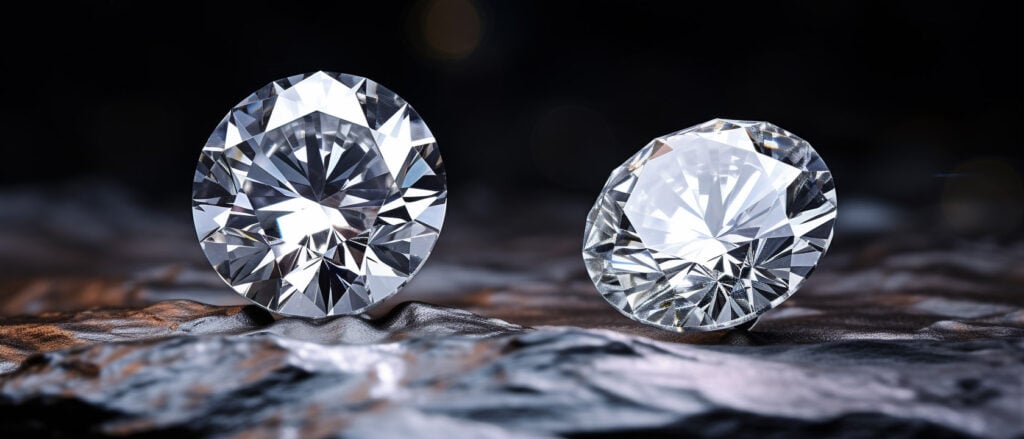
Understanding Lab Grown Diamonds
Lab grown diamonds have become increasingly popular due to their ethical appeal and cost-effectiveness. For many consumers, the process of buying a diamond can be overwhelming, but understanding the basics of lab grown diamonds is a crucial step. Guides lab grown diamonds help buyers navigate through the different options available in the market. These diamonds are identical to natural diamonds in terms of their physical and chemical properties, offering an eco-friendly alternative without compromising on quality.
The Rise of Lab Grown Diamonds
The demand for lab grown diamonds has risen significantly in recent years. As awareness about sustainability and ethical sourcing grows, consumers are looking for alternatives to mined diamonds. Guides lab grown diamonds explain how these gems are created in controlled environments that mimic the conditions found deep within the Earth. This process not only reduces the environmental impact but also ensures that no human rights are violated during the extraction process.
How Lab Grown Diamonds Are Made
The creation of lab grown diamonds involves two primary methods: High Pressure High Temperature (HPHT) and Chemical Vapor Deposition (CVD). These methods simulate the natural conditions in which diamonds are formed. Guides lab grown diamonds offer detailed information on each technique, helping buyers understand how these diamonds are crafted. Both processes result in diamonds that are virtually identical to their mined counterparts, with the same hardness, brilliance, and clarity.
Advantages of Choosing Lab Grown Diamonds
Choosing lab grown diamonds offers several advantages over traditional mined diamonds. Guides lab grown diamonds provide insights into the key benefits, including affordability, customization options, and ethical sourcing. Lab grown diamonds tend to be more affordable because they are produced in a controlled environment, reducing the cost associated with mining. Additionally, they can be made in a wide range of shapes, sizes, and colors, offering consumers more flexibility in choosing their perfect gem.
The Cost Difference Between Lab Grown and Mined Diamonds
A significant reason why many people opt for lab grown diamonds is the cost savings. Guides lab grown diamonds highlight the price difference between lab created and natural diamonds, with the former typically costing 20-40% less. This makes lab grown diamonds an attractive option for buyers looking to get more value for their money. Despite the lower price tag, lab grown diamonds retain the same beauty and durability as mined diamonds, making them a great investment for those who want a quality diamond without the hefty price.
Quality and Grading of Lab Grown Diamonds
Lab grown diamonds are graded using the same criteria as natural diamonds: Cut, Color, Clarity, and Carat (the 4 Cs). Guides lab grown diamonds explain how each of these factors impacts the overall quality and appearance of the diamond. Whether you’re looking for a flawless diamond or one with unique inclusions, there is a lab grown diamond that can meet your preferences. Professional gemologists use advanced equipment to evaluate these diamonds, ensuring that they meet the highest standards of quality.
Environmental and Ethical Considerations
One of the most compelling reasons for choosing lab grown diamonds is the ethical and environmental impact. Guides lab grown diamonds emphasize that these diamonds are a sustainable alternative to mined diamonds, which contribute to deforestation, habitat destruction, and harmful mining practices. Furthermore, lab grown diamonds are conflict-free, providing peace of mind to buyers who are concerned about the ethical implications of their purchases. By supporting lab grown diamonds, consumers are making a conscious decision to protect the planet and support ethical labor practices.
Popular Uses for Lab Grown Diamonds
Lab grown diamonds are versatile and can be used for a variety of purposes. Guides lab grown diamonds point out that these diamonds are popular for engagement rings, wedding bands, and other fine jewelry. They are also used in industrial applications, including cutting, grinding, and drilling, due to their hardness. Whether for a sentimental occasion or as a practical tool, lab grown diamonds offer a wide range of possibilities for consumers.
Choosing the Right Lab Grown Diamond
When choosing a lab grown diamond, it is important to consider factors such as the diamond’s size, shape, color, and clarity. Guides lab grown diamonds provide comprehensive advice on how to select the perfect diamond for your needs. It is essential to purchase from a reputable seller to ensure that the diamond is of high quality and ethically sourced. With the right guidance, buyers can confidently make informed decisions about their lab grown diamond purchase.
The Future of Lab Grown Diamonds
The future of lab grown diamonds looks bright as more people become aware of their benefits. Guides lab grown diamonds suggest that as technology advances, lab grown diamonds will become even more affordable and accessible. In the coming years, it is likely that more people will choose these diamonds due to their eco-friendliness, cost savings, and ethical appeal. With their growing popularity, lab grown diamonds are set to reshape the diamond industry and provide a sustainable solution for future generations.