


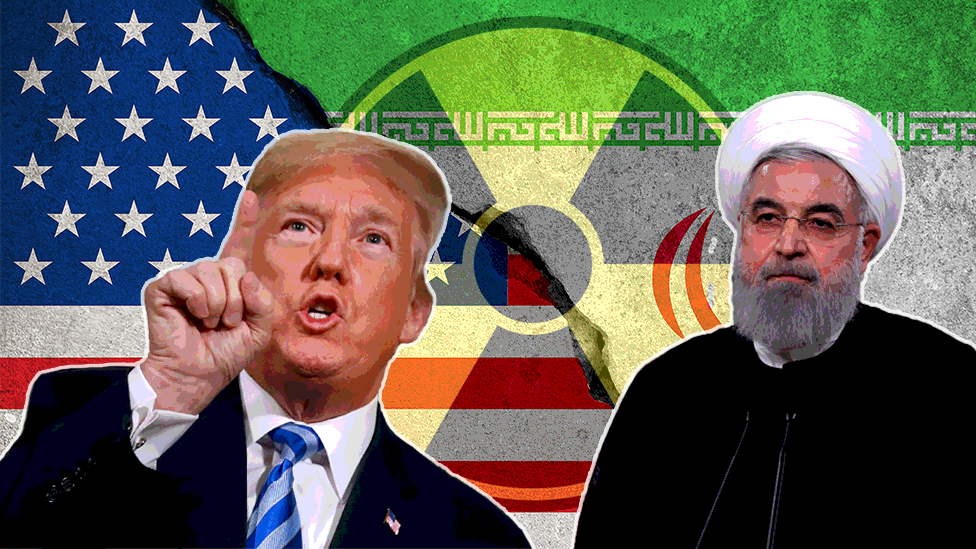
| Understanding the Historical Context | To understand the current dynamics, we need to explore the past. The history between the USA and Iran is filled with significant events that continue to influence diplomatic relations today. |
| Early Relations | Initially, the USA and Iran enjoyed friendly ties, especially during the early 20th century. The discovery of oil made Iran a critical player in global geopolitics. |
| The 1979 Revolution | Everything changed after the 1979 wygazette.com, which saw the overthrow of the Shah, who was supported by the USA. This marked the beginning of a hostile relationship. |
| Hostage Crisis | The hostage crisis that followed, where 52 American diplomats and citizens were held for 444 days, shattered relations. It ignited anti-American sentiments in Iran and set the tone for decades. |
| Recent Developments | Fast forward to today, and the USA-Iran relationship is still a hot topic. Recent events have brought new challenges and opportunities for diplomacy. |
| Nuclear Negotiations | One major point of contention has been Iran’s nuclear program. The USA and other nations have been deeply involved in negotiations aimed at curbing Iran’s nuclear capabilities. |
| The Iran Deal (JCPOA) | The Joint Comprehensive Plan of Action (JCPOA), established in 2015, was a significant milestone. It aimed to limit Iran’s nuclear activities in exchange for lifting sanctions. |
| Sanctions and Their Impact | However, the USA withdrew from the deal in 2018, leading to reimposed sanctions. These sanctions have had a devastating impact on Iran’s economy, fueling resentment towards the USA. |
| Military Tensions | Military tensions have also escalated, with incidents involving naval confrontations in the Persian Gulf and drone strikes. The risk of miscalculation remains high. |
| Political Landscape in the USA | In the USA, opinions on Iran can vary dramatically depending on the political landscape. Understanding these views is crucial for interpreting current events. |
| Bipartisan Views on Iran | While there is bipartisan agreement on some issues, such as opposing Iran’s nuclear ambitions, there are significant differences in how to approach the situation. |
| Impact of Domestic Politics | Domestic politics can heavily influence foreign policy. Upcoming elections often shift priorities and strategies concerning Iran. |
| Iran’s Position on Global Affairs | Iran is not just a player in its bilateral relations with the USA; it also has a role in global affairs that can complicate negotiations. |
| Relations with Other Nations | Iran maintains complex relationships with countries like Russia and China, often using these alliances to counterbalance the USA’s influence. |
| Regional Influence | Iran’s influence in the Middle East is significant, with a network of allies and proxies that extend its reach across the region. |
| Proxy Conflicts | These proxy conflicts, particularly in places like Syria and Yemen, further complicate the USA-Iran dynamic, often leading to indirect confrontations. |
| Public Opinion and Media Coverage | Public perception plays a vital role in shaping policy. Understanding how Americans view Iran can provide insights into the future of this relationship. |
| How Americans View Iran | Many Americans associate Iran with hostility, influenced by decades of media portrayal and political rhetoric. This perception affects public support for various diplomatic initiatives. |
| Iranian Perspectives on the USA | Conversely, many Iranians view the USA with suspicion and resentment, often due to historical events and ongoing sanctions. This mutual distrust complicates dialogue. |
| Future Outlook | Looking ahead, the future of USA-Iran relations remains uncertain. Can diplomatic efforts break the cycle of hostility? |
| Potential Resolutions | There are potential pathways for resolution, such as renewed negotiations or backchannel communications aimed at building trust. |
| Challenges Ahead | However, significant challenges persist, including regional instability and hardliners in both countries resisting compromise. |
| Conclusion | The USA-Iran relationship is a multifaceted issue with deep historical roots and pressing contemporary challenges. Understanding these complexities is crucial for anyone interested in global politics. |